
When a loved one begins to need extra support; whether due to aging, illness, or recovery, it can feel overwhelming to decide what kind of care is best.
For many families in Durham, North Carolina, home care offers the perfect balance between support and independence.
In this guide, we’ll break down exactly what home care is, how it works, the types of services available, and how to choose the right provider for your family.
What Is Home Care?
Home care refers to a variety of supportive services provided in a person’s home to help them live safely and comfortably.
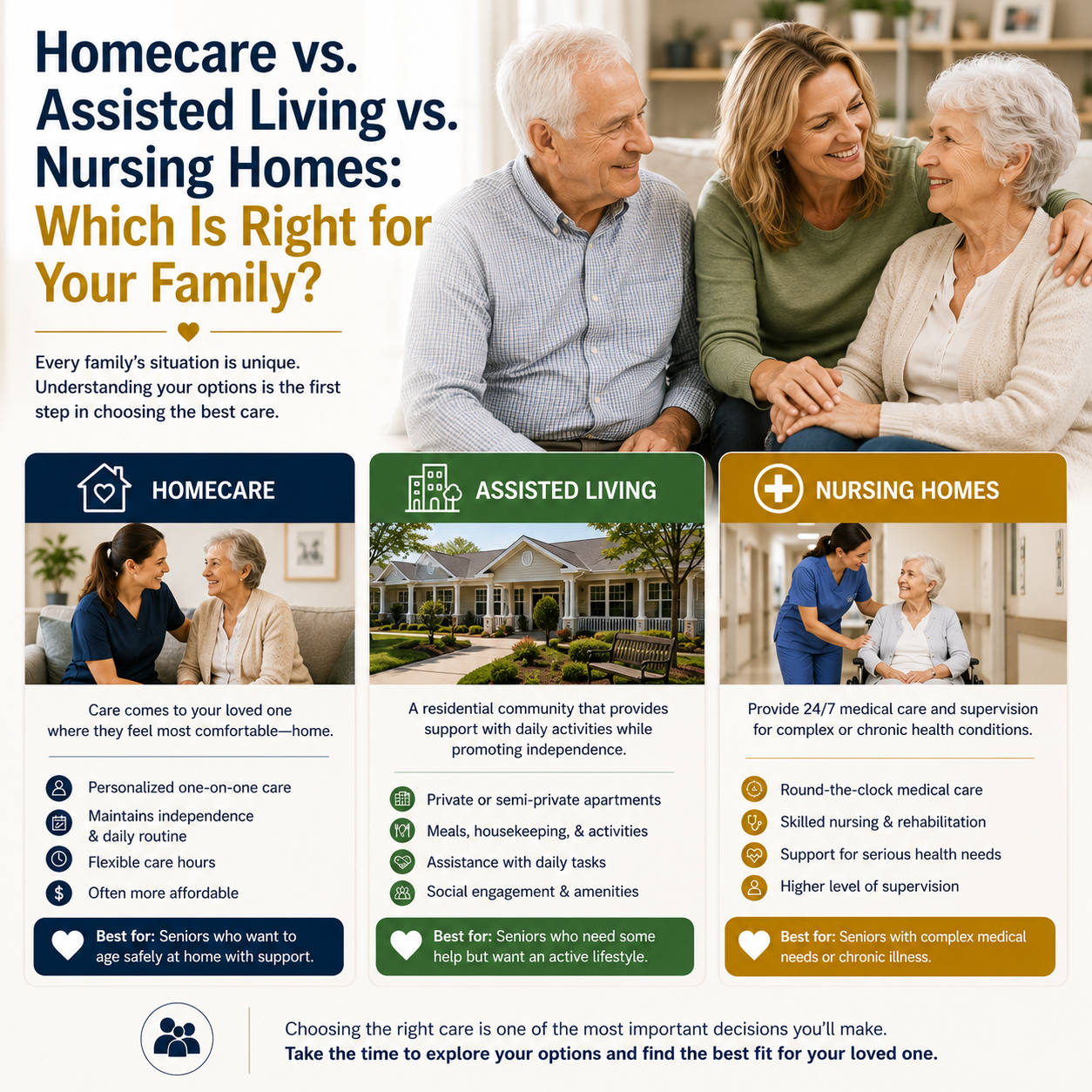
Unlike nursing homes or assisted living facilities, home care allows individuals to remain in familiar surroundings while receiving the assistance they need. Home care focuses on maintaining independence and improving quality of life through personalized, in-home support.
Key Features of Home Care
- Delivered at home
- Personalized care plans
- Flexible scheduling
- Focus on independence and dignity
At its core, home care supports what’s often called “aging in place.”
Why Home Care Is Important for Families
Independence and Comfort
Remaining at home allows individuals to maintain routines, stay in familiar surroundings, and feel more in control of their lives.
Emotional Well-Being
Home environments reduce stress and anxiety, especially for seniors and individuals with memory-related conditions.
Family Peace of Mind
Home care ensures your loved one is not alone, giving families reassurance and reducing caregiver burnout.
Cost Flexibility
Compared to residential facilities, home care can often be more affordable, especially for part-time needs.
Who Needs Home Care?
Home care supports a wide range of individuals, including:
- Seniors who want to age at home
- People recovering from surgery or illness
- Individuals with chronic conditions
- Adults living with disabilities
If your loved one struggles with daily tasks like bathing, dressing, or cooking, home care may be the right solution.
Types of Home Care Services
Understanding the different types of services can help you choose the right level of support.
Personal Care
Hands-on assistance with daily activities:
- Bathing and grooming
- Dressing
- Toileting
- Mobility support
Companion Care
Focused on emotional and social well-being:
- Conversation and companionship
- Activities and hobbies
- Emotional support
Homemaking Services
Help with maintaining a safe home:
- Meal preparation
- Light housekeeping
- Laundry
- Grocery shopping
Transportation Assistance
- Medical appointments
- Errands
- Social outings
Medication Reminders
Ensuring medications are taken properly and on time.
Skilled Home Health Care
Medical services provided by licensed professionals:
- Nursing care
- Physical therapy
- Wound care
For more on this distinction, see
👉
Home Care vs. Home Health Care
Many families confuse these two, here’s the difference:
| Home Care | Home Health Care |
|---|---|
| Non-medical support | Medical care |
| Long-term or ongoing | Usually short-term |
| Helps with daily living | Treats health conditions |
Benefits of Home Care in Durham, NC
Stay Connected to the Community
Home care allows individuals to remain part of their local church, neighborhood, and social circles.
Flexible Care Plans
Unlike facilities, care can be tailored to exact needs, whether a few hours a week or full-time support.
One-on-One Attention
Clients receive personalized care that’s difficult to match in institutional settings.
How Much Does Home Care Cost?
Costs vary based on:
- Hours of care needed
- Type of services
- Level of support required
On average, home care in the U.S. costs around $25–$35 per hour.
Payment Options
- Private pay
- Medicaid (if eligible)
- Long-term care insurance
- Veterans benefits
How to Choose the Right Home Care Provider in Durham
1. Assess Your Needs
Determine:
- Type of care required
- Frequency of care
- Budget
2. Research Local Providers
Look for agencies that are:
- Licensed and insured
- Experienced
- Highly reviewed
3. Ask Important Questions
- How are caregivers trained?
- Are care plans customizable?
- What happens in emergencies?
4. Ensure Caregiver Compatibility
The right personality match is just as important as skills.
5 Monitor and Adjust Care
Care needs evolve, your plan should too.
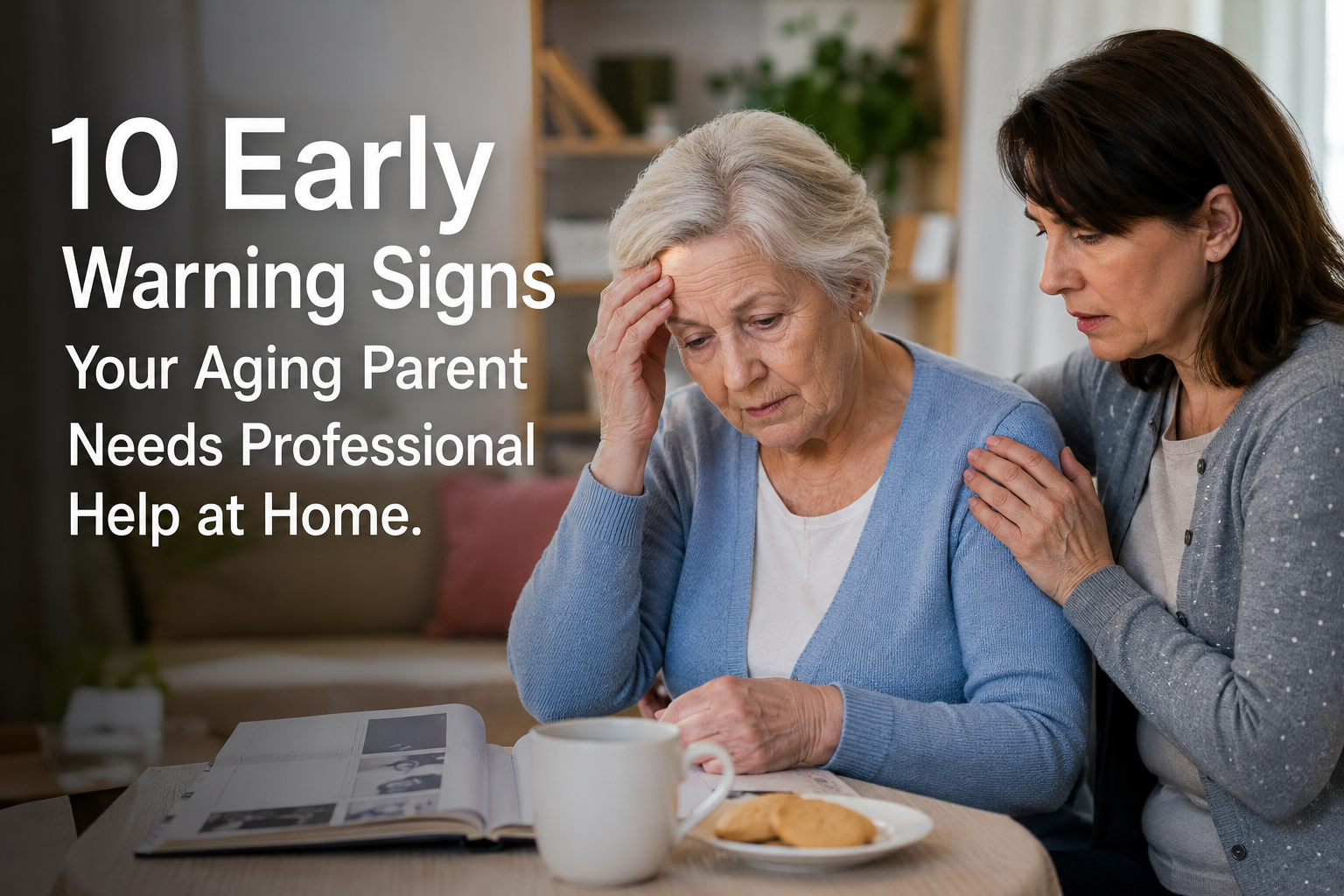
Signs It May Be Time for Home Care
Watch for these indicators:
- Difficulty with daily tasks
- Increased falls or mobility issues
- Memory problems
- Isolation or loneliness
- Missed medications
Why Families in Durham Choose Vitalguard Homecare
At Vitalguard Homecare, we believe care should feel personal, not clinical.
We provide:
- Customized care plans
- Compassionate, trained caregivers
- Flexible scheduling
- Reliable, consistent support
We’re proud to support families across Durham, NC with care that prioritizes dignity and independence.
Get Started with Home Care Today
If you’re considering home care for a loved one, the best next step is to speak with a professional who understands your situation.
👉 Visit our contact page to get started:
https://vitalguardhomecare.com/contact-us
Additional Resources
- Learn more about home care basics:
- Explore aging in place strategies:
Final Thoughts
Home care is more than just assistance, it’s a way to preserve independence, dignity, and quality of life.
For families in Durham, NC, it offers a compassionate, flexible solution that keeps loved ones where they feel safest: at home.
When you’re ready to explore your options, Vitalguard Homecare is here to help every step of the way.
👉 Contact us today:
https://vitalguardhomecare.com/contact-us

Informative article, totally what I needed.